
Kitchen counters provide space for meal preparation, frequently used appliances, and everyday household items. Without a clear system, even a spacious kitchen can quickly feel crowded. Too many objects on the counter may reduce the area available for cooking and make cleaning more difficult.
A functional kitchen does not need to be completely bare. The goal is to balance convenience with a neat appearance by keeping useful items accessible and placing everything else in an appropriate storage area. With a few adjustments, you can make your counters easier to use while still giving your kitchen a welcoming style.
1. Keep Meal Preparation Areas Clear
Start by identifying the counter space you use most often for chopping, mixing, assembling meals, and other food preparation tasks. These areas should remain as clear as practical so you have enough room to work comfortably.
Move appliances and decorative objects that are rarely used to cabinets or other suitable storage areas. If you use a particular appliance daily, keep it accessible as long as it does not interfere with your preparation space.
Think about how you move through the kitchen while cooking. Keeping frequently used tools near their appropriate work areas can reduce unnecessary movement and make everyday tasks more convenient.
2. Group Frequently Used Items Together
Items used for the same purpose can be stored together to make the kitchen easier to navigate. Cooking utensils may belong near the food preparation area, while frequently used mugs or drinkware can be kept near the location where beverages are prepared.
A suitable tray can group small accessories in one place and help prevent them from spreading across the counter. For example, a tray might hold a few everyday items that you prefer to keep visible.
Avoid grouping too many objects together. The purpose is to create a clear and manageable arrangement, not simply to move the clutter into one crowded spot.
3. Use Vertical Storage Where Appropriate
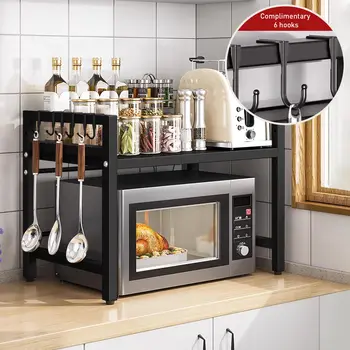
When counter space is limited, suitable wall-mounted shelves or other vertical storage solutions can help free up valuable working areas. They may be useful for selected lightweight items that you want to keep accessible.
Before installing shelves, check the wall type, mounting requirements, and the weight limits of the hardware. Keep storage away from areas where heat, steam, grease, or water splashes could cause problems.
Place items you use regularly within easy reach and reserve higher locations for suitable belongings that are accessed less often. Avoid storing heavy or fragile objects above areas where people frequently prepare food or stand.
4. Add Decorative Details Sparingly
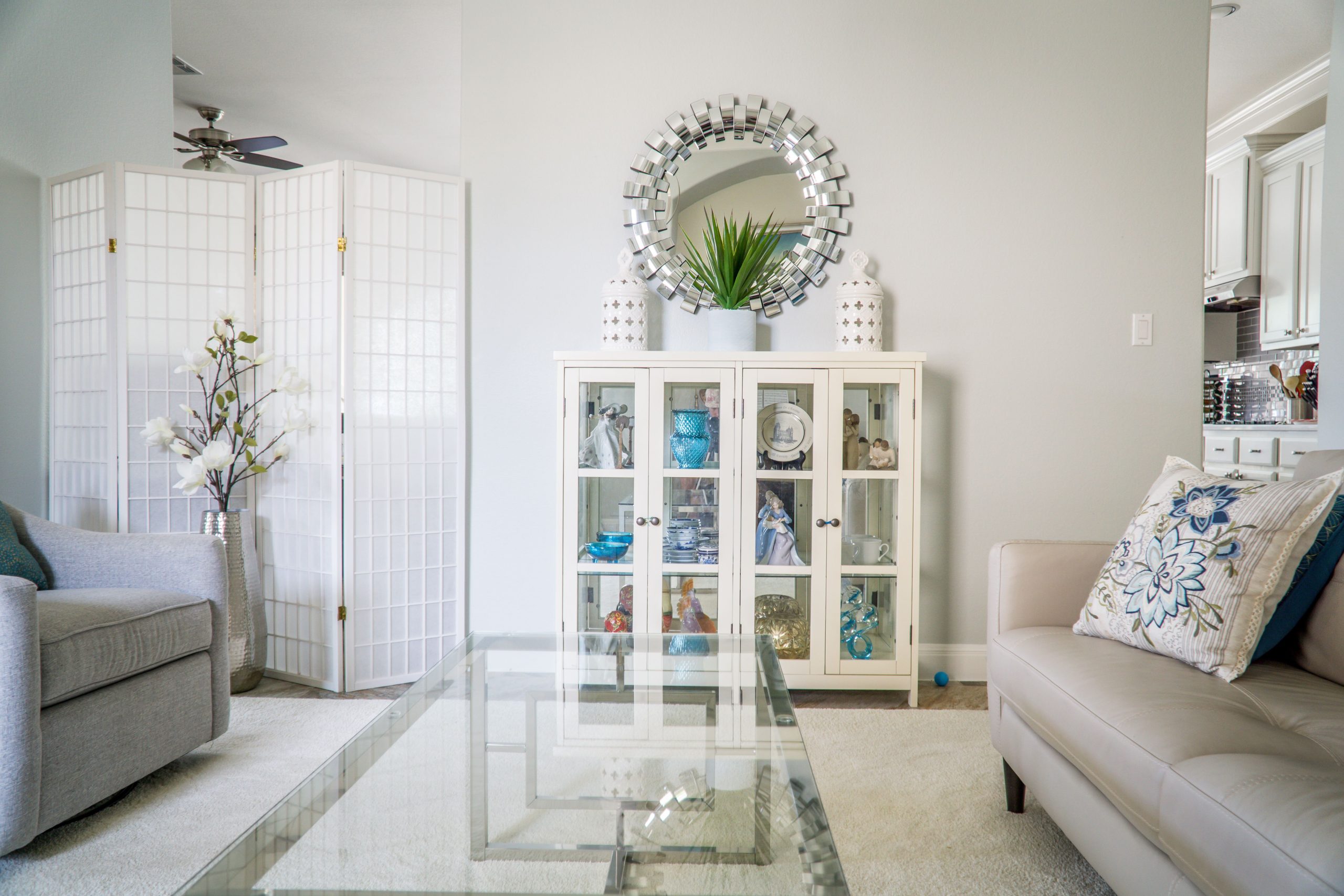
A few decorative accents can make a kitchen feel more personal without interfering with its function. A small vase, an attractive container, or a simple decorative object may complement the room’s colors and materials.
Choose decorations that suit the available space and are easy to clean. Kitchen counters can collect grease, crumbs, and moisture, so objects with complicated shapes or delicate finishes may require extra maintenance.
Keep decorations away from food preparation areas, open flames, and hot surfaces. Avoid placing accessories where they could fall into cooking equipment or interfere with safe food handling.
5. Choose Materials That Are Easy to Maintain
Kitchen accessories should be practical as well as attractive. Trays, containers, and utensil holders need to withstand the conditions of their intended location and should be cleaned according to their care instructions.
Consider how a material responds to moisture, heat, and frequent handling before placing it near a sink or cooking area. Not every decorative item is designed for food contact or exposure to high temperatures.
Wipe up spills promptly and clean surfaces regularly. An organized counter is easier to maintain when accessories are easy to move and the surfaces underneath remain accessible.
6. Keep Frequently Used Appliances Convenient
Small appliances can take up a significant amount of counter space. Consider which ones you use often enough to justify leaving them out and which can be stored when they are not needed.
When positioning appliances, follow their ventilation and clearance requirements. Keep electrical cords arranged safely and away from sinks, hot surfaces, and areas where they could be pulled accidentally.
The best setup depends on your cooking habits. A kitchen used for daily baking may need different countertop arrangements from one used mainly for quick meals and drinks.
7. Reset the Kitchen at the End of the Day
A short evening reset can make the kitchen easier to use the next morning. Return utensils to their storage places, put away ingredients, remove unnecessary items, and wipe down the counters.
If several people share the kitchen, establish a simple routine that everyone can follow. Returning items to consistent locations helps prevent the same clutter from building up repeatedly.
You do not need to reorganize every cabinet each night. Focus on the surfaces you rely on most and address deeper storage issues when necessary.
Find the Balance Between Style and Function
Kitchen counters work best when they support everyday tasks while maintaining a clean, comfortable appearance. Clear preparation areas, grouped essentials, suitable vertical storage, and easy-to-clean accessories can help you make better use of the space you already have.
Start by removing items that do not need to remain on the counter, then add back only what is useful or genuinely improves the room’s appearance. This approach helps keep the kitchen practical without making it feel bare.
Explore Next Home Supply for home accessories, trays, and decorative accents that complement your kitchen while keeping everyday spaces organized.



0 Comments