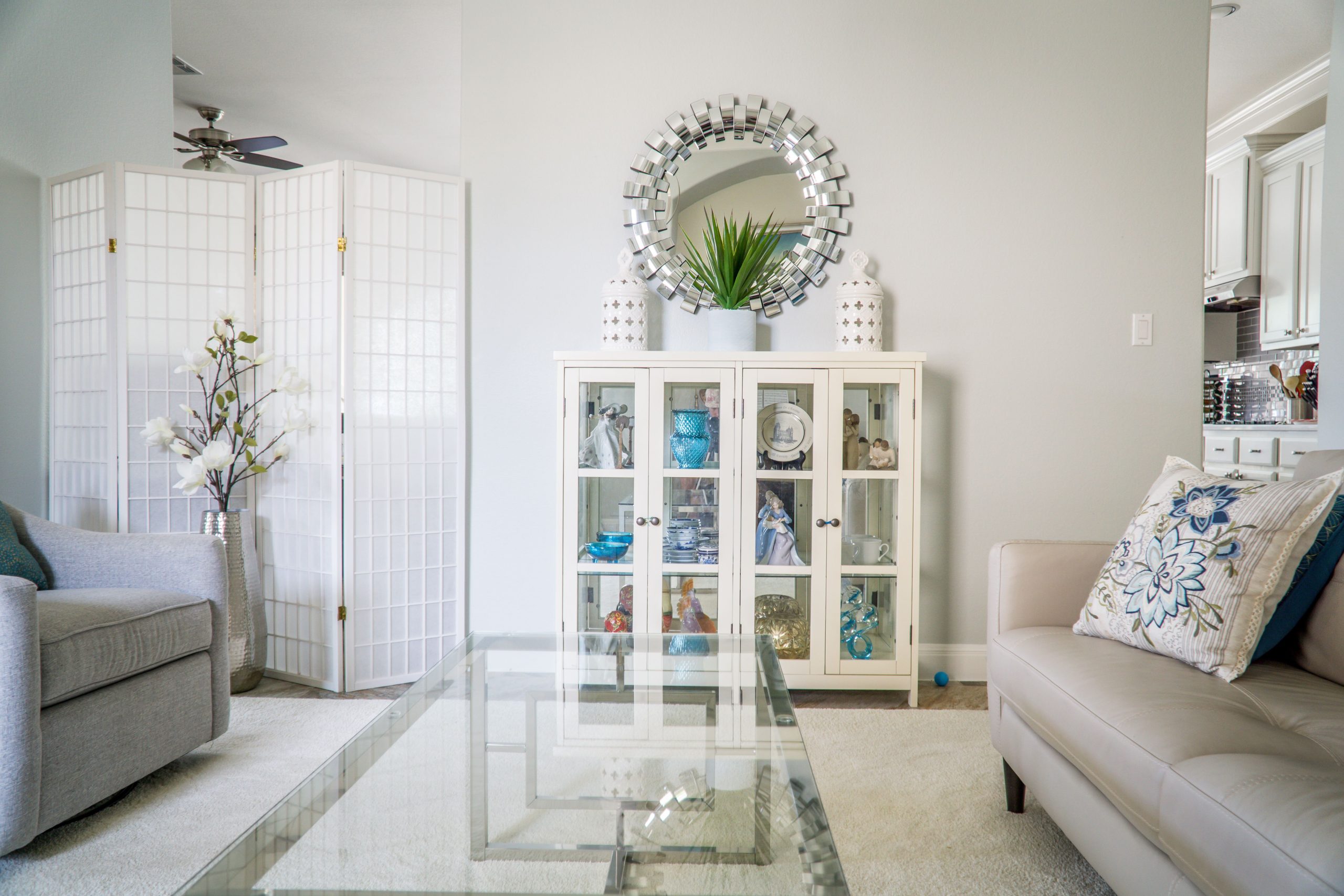
How to Decorate Your Home With Artificial Plants

Plants can add color, texture, and a natural feel to a room. However, live plants may require specific lighting, watering schedules, and ongoing care that do not suit every household. Artificial plants offer another way to introduce greenery into your decor without the same maintenance routine.

When chosen and arranged thoughtfully, artificial greenery can complement furniture, soften empty corners, and bring balance to shelves and tables. The key is to select pieces that suit the room’s proportions and combine them with other accessories without making the space feel crowded.

1. Choose Plants That Suit the Room

Before choosing an artificial plant, consider the room’s size, existing colors, and decorating style. A compact plant may work well on a bedside table or desk, while a larger arrangement can add interest to an empty corner.

Look at the height and width of the available space. A plant that is too large may block useful surfaces or make a small room feel crowded, while a very small piece may be difficult to notice in a spacious area.

Consider the overall appearance as well. Simple greenery can complement minimalist interiors, while fuller arrangements may suit rooms with layered textures and more decorative details.

2. Use Greenery to Fill Empty Spaces

Artificial plants can help make an undecorated shelf, side table, or console feel more complete. They are particularly useful in locations where a live plant might not receive enough natural light.

Choose locations where greenery adds balance rather than creating an obstacle. A small plant can soften a collection of books, while a larger piece may bring visual interest to an otherwise empty corner.

Avoid filling every open area with a plant. Leaving some spaces undecorated allows the greenery to stand out and helps maintain a more relaxed appearance throughout the room.

3. Combine Greenery With Different Textures

Artificial plants can complement a range of materials, including wood, ceramic, glass, metal, and woven fabrics. Combining a few contrasting textures can make an arrangement more interesting without introducing too many colors.

For example, green leaves in a simple ceramic pot may work well beside wooden furniture. A plant placed near a woven basket or textured fabric can also create a comfortable, layered look.

Keep the combination intentional. Choose materials that complement the existing room instead of adding every available texture to the same display.

4. Create Small Decorative Arrangements

A plant can serve as the main feature of a table or shelf, or it can become part of a larger arrangement. Pairing greenery with one or two complementary objects can help create a balanced display.

You might place a small artificial plant beside a stack of books or position it near a decorative vase. Varying the heights of the objects can make the arrangement more visually appealing.

Be mindful of the size of the surface. On a small bedside table, one plant and a useful lamp may be enough. On a wider console, you may have room for a more substantial arrangement while still leaving space for everyday use.

5. Choose Suitable Pots and Containers

The container contributes to the overall appearance of an artificial plant. A simple pot can create a clean look, while a decorative container may become part of the room’s visual interest.

Choose a size that supports the plant’s proportions and fits the intended location. Make sure the container is stable, especially if the plant has long stems or a wide arrangement that could be knocked over.

Consider how the pot’s material and color work with the rest of the room. Repeating a finish or color already present in your furniture can help the plant feel like a natural part of the decor.

6. Keep Artificial Plants Looking Fresh

Although artificial plants do not need watering, they still require occasional care. Dust can settle on leaves, stems, and containers, making the arrangement look dull over time.

Clean artificial greenery according to the manufacturer’s instructions. Use methods suitable for the material and avoid cleaning products that could damage the finish or cause colors to fade.

Check the arrangement occasionally for bent stems or loose components. Adjust the leaves and reposition the plant as needed to maintain a natural-looking shape.

7. Consider Safety and Placement

Place artificial plants where they will not block walkways, doorways, or frequently used surfaces. Choose stable containers and secure taller arrangements when necessary.

Keep decorations away from open flames and heat-producing appliances, especially when the materials are not designed for high temperatures. If young children or pets are present, consider whether the plant has small detachable parts that should be kept out of reach.

Think about cleaning access as well. A plant placed in a difficult-to-reach corner may collect dust if it is hard to move regularly.

Add Greenery That Complements Your Style

Artificial plants offer a practical way to introduce color and texture into a home without committing to the care requirements of live greenery. By choosing suitable sizes, pairing plants with complementary materials, and keeping arrangements simple, you can create displays that feel balanced and welcoming.

Start with one area that looks bare, then see whether a small plant or a larger arrangement would improve the space. A few well-placed pieces can make a difference without overwhelming your existing decor.

Explore Next Home Supply for artificial greenery, decorative vases, and home accessories that can help bring a fresh look to your living space.

Simple Maintenance Habits for Protecting Your Favorite Home Decor

Decorative accessories can help make a house feel personal, but dust, fingerprints, moisture, and everyday handling can gradually affect their appearance. Regular care helps keep these items looking presentable and can reduce the risk of avoidable damage. Different materials require different cleaning methods. Glass, wood, metal, ceramic, fabric, and electronic decorative items may respond differently to water, cleaning products, and friction. Using the wrong method can leave marks or damage a...

A Practical Guide to Creating a Balanced and Coordinated Interior

A room can feel flat when every decorative object has the same finish, shape, and texture. Mixing different materials introduces contrast and creates a more layered interior, allowing individual pieces to stand out while contributing to an overall design. Wood, glass, metal, ceramic, fabric, and woven materials each bring different visual qualities to a room. Some add warmth, while others create a lighter, smoother, or more reflective appearance. The goal is not to include every available...

Easy Decorating Ideas for Making Temporary Spaces Feel Personal

Living in a rental home does not mean you have to settle for a space that feels plain or impersonal. Even when painting, drilling, or making permanent alterations is not allowed, you can still create an interior that reflects your personality and preferences. The most effective approach is to focus on movable decorations, flexible arrangements, and small details that can be taken with you when you move. These changes can help a temporary space feel more comfortable without requiring extensive...

Simple Decorating Ideas for a More Inviting First Impression

The entryway is the first part of your home that you and your guests experience. Even when it is small, this space can help establish the style of your interior and make everyday arrivals and departures feel more organized. Creating a welcoming entryway does not require a complete renovation or a large collection of decorations. A few carefully chosen pieces, a practical place for everyday belongings, and a consistent color scheme can make the area feel intentional and connected to the rest of...

How to Choose Decorative Pieces That Make Thoughtful Housewarming Gifts

Moving into a new home is an exciting milestone, but it can take time for a space to feel complete. Thoughtful home gifts can help someone personalize their surroundings while giving them something useful or enjoyable to keep. The best housewarming gift does not need to be expensive or highly elaborate. Consider the recipient's taste, available space, and everyday habits when choosing an item they are likely to appreciate. Decorative accessories can be particularly useful because they add...

How to Keep Your Jewelry and Small Accessories Organized

Small accessories can be difficult to organize because they are easy to misplace and often come in different shapes and sizes. Necklaces may become tangled, earrings can get separated, and rings can disappear into drawers filled with other belongings. A practical organization system helps you keep your collection visible, protect delicate pieces, and find what you need when getting ready. You do not need a large dressing area or an elaborate storage setup. A suitable display stand, divided...

How to Decorate for the Seasons Without Replacing Everything

Seasonal decorating can make your home feel fresh, but changing every decoration throughout the year can become expensive and take up valuable storage space. A more practical approach is to keep a consistent foundation and update a few smaller details as the seasons and holidays change. The most versatile homes use everyday decor that works throughout the year. Simple vases, decorative trays, lamps, and other accessories can remain in place while a few seasonal colors or objects create a...

How to Create a Cozy Home With Simple Decorative Accents

A cozy home is not necessarily filled with expensive furniture or elaborate decorations. Often, smaller details make a room feel welcoming: a warm lamp, a favorite vase, a thoughtfully arranged tray, or objects that reflect your personality. Decorative accents can help connect the colors and materials already present in your home. When chosen carefully, they add character without making a room feel crowded or requiring a complete redesign. The key is to focus on comfort, balance, and personal...

Simple Bathroom Organization Ideas for a Cleaner-Looking Space

Bathrooms often need to store towels, toiletries, grooming accessories, and cleaning supplies in a relatively small space. Without designated places for these items, counters and shelves can quickly become crowded, making everyday routines less convenient. A cleaner-looking bathroom does not necessarily require a renovation or additional cabinets. Sorting what you own, using existing storage effectively, and keeping frequently used products accessible can help create a more organized space....

How to Decorate Your Home With Artificial Plants

Plants can add color, texture, and a natural feel to a room. However, live plants may require specific lighting, watering schedules, and ongoing care that do not suit every household. Artificial plants offer another way to introduce greenery into your decor without the same maintenance routine. When chosen and arranged thoughtfully, artificial greenery can complement furniture, soften empty corners, and bring balance to shelves and tables. The key is to select pieces that suit the room's...

0 Comments

Join