
A cozy home is not necessarily filled with expensive furniture or elaborate decorations. Often, smaller details make a room feel welcoming: a warm lamp, a favorite vase, a thoughtfully arranged tray, or objects that reflect your personality.
Decorative accents can help connect the colors and materials already present in your home. When chosen carefully, they add character without making a room feel crowded or requiring a complete redesign.
The key is to focus on comfort, balance, and personal preference. By using what you already own and introducing a few well-chosen pieces, you can create a home that feels more inviting and suited to everyday living.
1. Start With the Colors You Already Have
Before adding new decorations, look at your furniture, flooring, curtains, and other larger elements. These pieces establish the main color palette that smaller accessories can complement.
Choose decorative accents that work with the existing colors instead of introducing too many unrelated shades. Neutral rooms can benefit from a few deeper or warmer colors, while rooms with bold furniture may look more balanced with simpler accessories.
Repeating a color in different places can also create a sense of connection. For example, a small accent on a table may complement the color of a cushion or piece of wall art elsewhere in the room.
2. Mix Textures for More Visual Interest
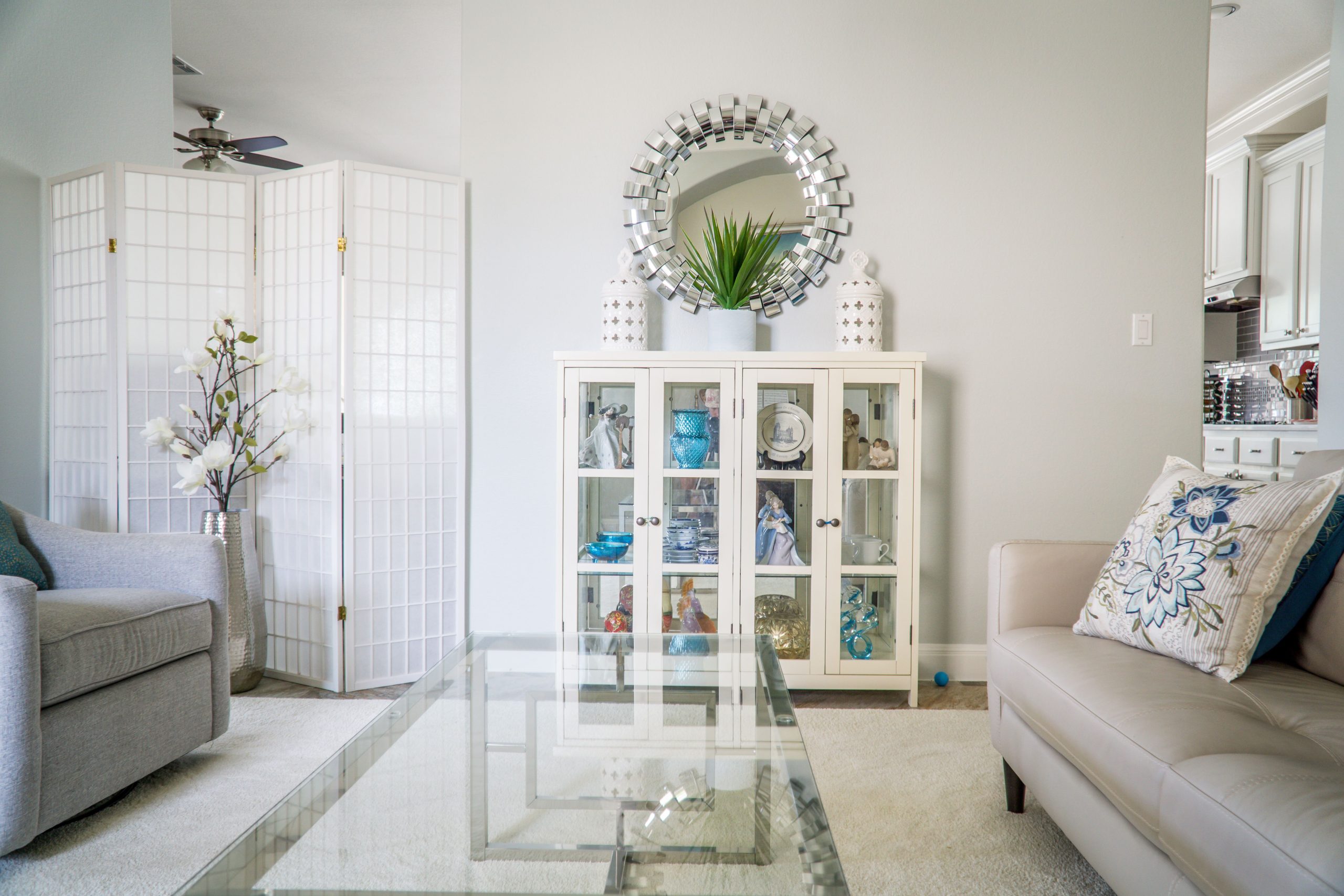
Different textures can make a room feel layered and inviting. Smooth ceramic, natural-looking wood, woven materials, glass, and soft textiles each contribute a different visual quality.
You do not need to use every material in one room. Choose a few that work well together and repeat them in different areas to create a balanced appearance.
For example, a ceramic vase can complement a wooden table, while a woven basket adds texture nearby. Keep the overall arrangement simple enough that each material can be appreciated without competing for attention.
3. Style Tables With a Small Group of Objects
Coffee tables, side tables, and consoles provide convenient places to display decorative accents. However, filling every available surface can make the room less practical and create unnecessary visual clutter.
A tray can group smaller items together, while a vase or lamp adds height. A small stack of books or a meaningful keepsake can complete the arrangement if there is enough space.
Always leave room for everyday activities. Coffee tables should still accommodate drinks and other items, while bedside and side tables need enough space for anything you regularly use.
4. Use Lighting to Create Warmth
Lighting can influence how comfortable a room feels, especially during the evening. A table lamp or bedside lamp can create a softer atmosphere than relying entirely on overhead lighting.
Consider where people sit, read, or relax, then place lamps where they provide useful illumination. Choose a style that complements the furniture and a brightness that suits the intended activity.
Decorative lamps can also contribute to the room’s appearance when they are switched off. Their shape, finish, and size can help connect other elements of your decor.
5. Display Personal Items With Intention
Photographs, keepsakes, favorite books, and meaningful decorative pieces help make a home feel individual. These items often have more significance than accessories chosen solely because they match a particular trend.
Choose a few objects you genuinely enjoy and give them suitable places. Group related items together and leave space around them so they can stand out.
If you have many meaningful belongings, rotate what you display rather than trying to show everything at once. This allows you to enjoy different items while keeping shelves and surfaces organized.
6. Use Decorative Accessories That Also Serve a Purpose
Some of the most useful home accents combine appearance with everyday function. A decorative tray can organize small belongings, a storage basket can hold blankets, and bookends can keep books neatly arranged.
Think about what each room needs before selecting accessories. In a living room, a basket may help gather throws, while a tray near the entryway can keep keys in one place.
Choosing items that solve small organizational problems can help maintain a cozy atmosphere without adding unnecessary clutter.
7. Refresh Your Decor Gradually
You do not need to replace every accessory to give a room a different look. Rearranging a shelf, moving a vase to another table, or changing the position of a lamp can make a familiar space feel refreshed.
Try moving decorations between rooms before purchasing new pieces. An accessory that feels out of place in one area may work well somewhere else.
If you decide to add something new, consider its size, material, and relationship to the objects you already own. A thoughtful addition is often more effective than several unrelated purchases.
Make Your Home Feel Like Your Own
Creating a cozy home begins with the details that make your space comfortable and personal. Coordinated colors, varied textures, useful accessories, warm lighting, and meaningful objects can help create an inviting atmosphere without requiring a major redesign.
Take your time choosing what to display and leave enough room for everyday life. A home feels most welcoming when its decorations reflect the people who live there and support the way they use each room.
Explore Next Home Supply for home decor, lamps, vases, trays, and decorative accents that can help you create a comfortable and personal living space.




0 Comments