
Decorative shelves provide a place to display books, keepsakes, plants, and accessories while adding personality to a room. However, when every available space is filled with objects, shelves can look crowded instead of thoughtfully arranged.
Creating a balanced display is less about having the perfect decorations and more about choosing how to combine the items you already own. A consistent color palette, a variety of heights, and enough open space can help your shelves feel organized without looking empty.
Whether you are styling shelves in a living room, bedroom, or home office, a few simple principles can help you create a display that feels natural and reflects your personal style.
1. Begin With a Simple Color Palette
Start by looking at the colors already present in the room. Your shelves should complement nearby furniture, wall colors, curtains, and other decorative elements.
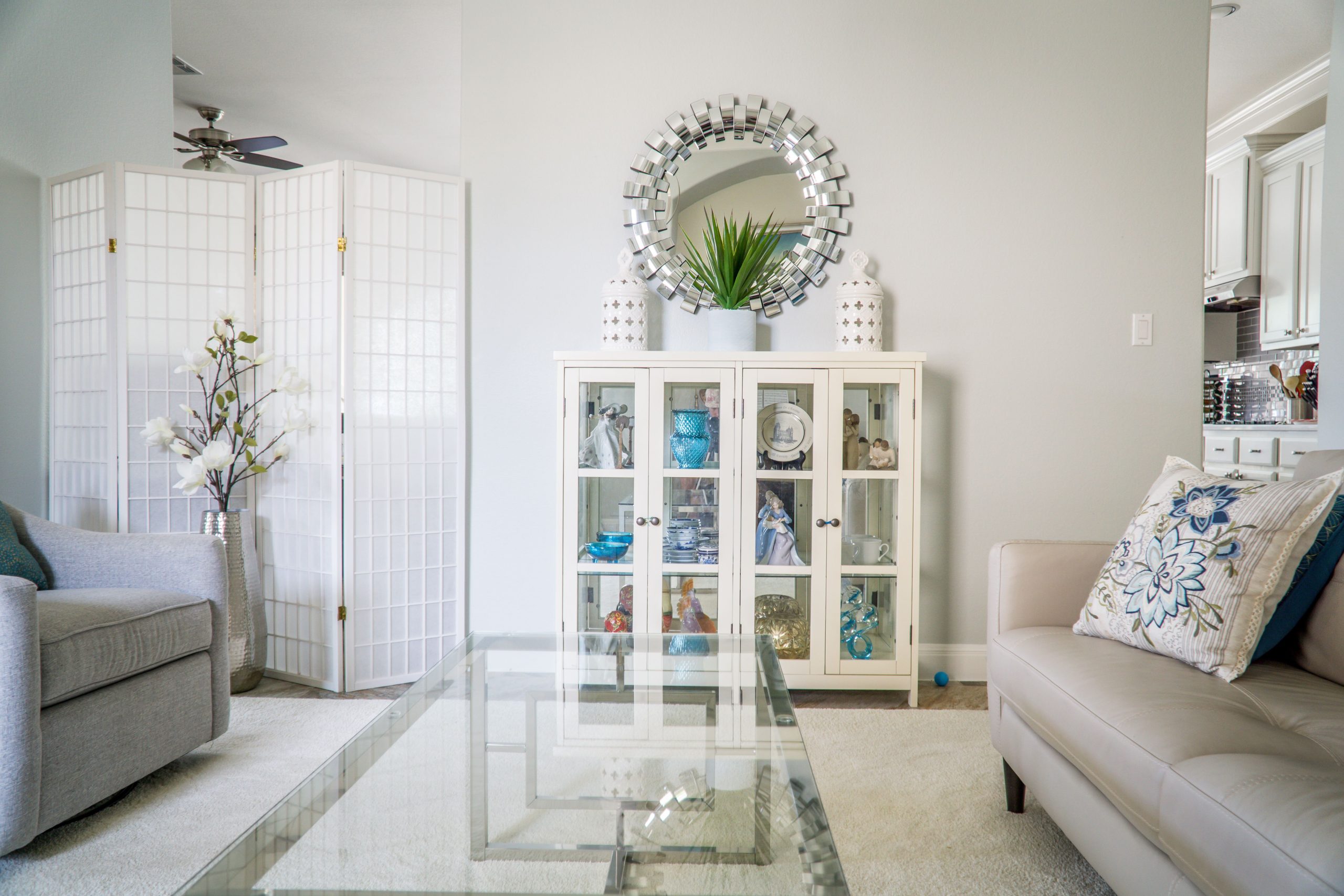
Choose two or three main colors to guide your arrangement. Neutral shades such as cream, white, beige, and wood tones can create a calm appearance, while a few brighter accents add personality.
You do not need every object to match exactly. Instead, look for colors that work well together and repeat them in different parts of the display. This creates a sense of connection without making the arrangement look overly coordinated.
2. Vary the Height and Shape of Objects
A shelf filled with objects of the same height can look flat and repetitive. Combining tall, medium, and low items creates more visual interest and helps guide the eye across the arrangement.
For example, place a taller vase beside a short stack of books, then add a small decorative object nearby. A low tray can balance a taller item on the opposite side of the shelf.
Pay attention to the shape of each object as well. Combining rounded vases, rectangular books, and simple sculptural accents can make the display more interesting without requiring many decorations.
3. Mix Books With Decorative Accessories
Books provide structure and can introduce useful color and texture to a shelf. Arrange some upright with suitable bookends and stack others horizontally when it makes sense for their size and condition.
You can place a small decorative object beside a horizontal stack to create a simple grouping. A vase, framed photograph, or small artificial plant can add variety without overwhelming the books.
Avoid placing a decoration on every book stack or filling every gap. Select a few combinations that look balanced and leave the remaining areas open.
4. Add Greenery for a Softer Appearance
Artificial plants can introduce a natural-looking element to shelves without requiring watering or sunlight. They can work particularly well in rooms where live plants may not thrive or where a low-maintenance decorating option is preferred.
Choose a plant that fits the shelf’s dimensions. A compact arrangement may suit a narrow shelf, while a slightly fuller plant can soften a display of books and hard surfaces.
Make sure the plant does not obstruct objects you need to access. Dust artificial leaves regularly according to the manufacturer’s care instructions to help them maintain their appearance.
5. Leave Some Space Empty
One of the easiest ways to improve a crowded shelf is to remove a few items. Empty space allows individual decorations to stand out and gives the entire arrangement a more relaxed appearance.
If every shelf is filled from one end to the other, take a step back and identify objects that could be moved elsewhere. Keep the pieces that have a clear purpose, meaningful value, or strong visual appeal.
Open space is not wasted space. It helps create a better balance between the objects you display and the room around them.
6. Consider Proportion and Shelf Size
The size of your decorations should suit the shelf itself. Oversized objects may dominate a narrow shelf, while tiny accessories can become difficult to notice on a large unit.
Measure the available height and depth before choosing new decorations. Check that taller objects fit comfortably and that items near the edge will not be knocked off easily.
If you have several shelves, vary the arrangements rather than repeating the exact same combination on each one. A consistent color palette can connect the display while allowing each shelf to have its own character.
7. Refresh Your Display Without Replacing Everything
Shelf styling does not have to remain permanent. Moving a vase, changing the position of a book stack, or swapping a few decorative accents can give the room a fresh appearance.
You can also make small seasonal changes using items you already own. Replace a colorful accent with a neutral one, introduce a different arrangement, or move accessories between rooms.
Before purchasing more decorations, experiment with rearranging your current collection. You may find that a more balanced display requires fewer objects rather than additional ones.
Create Shelves That Feel Balanced and Personal
Well-styled shelves combine useful storage with carefully chosen decorations. A simple color palette, varied heights, books, greenery, and open space can help create a display that feels organized and visually appealing.
Start with the objects you already have, then adjust the arrangement until each piece has room to stand out. The best shelf display is one that suits your space, reflects your interests, and remains easy to maintain.
Explore Next Home Supply for bookends, decorative vases, artificial greenery, and home accents to help you style your shelves with confidence.


0 Comments