How to Style Decorative Shelves Without Making Them Look Cluttered

Decorative shelves provide a place to display books, keepsakes, plants, and accessories while adding personality to a room. However, when every available space is filled with objects, shelves can look crowded instead of thoughtfully arranged.

Creating a balanced display is less about having the perfect decorations and more about choosing how to combine the items you already own. A consistent color palette, a variety of heights, and enough open space can help your shelves feel organized without looking empty.

Whether you are styling shelves in a living room, bedroom, or home office, a few simple principles can help you create a display that feels natural and reflects your personal style.

1. Begin With a Simple Color Palette

Start by looking at the colors already present in the room. Your shelves should complement nearby furniture, wall colors, curtains, and other decorative elements.

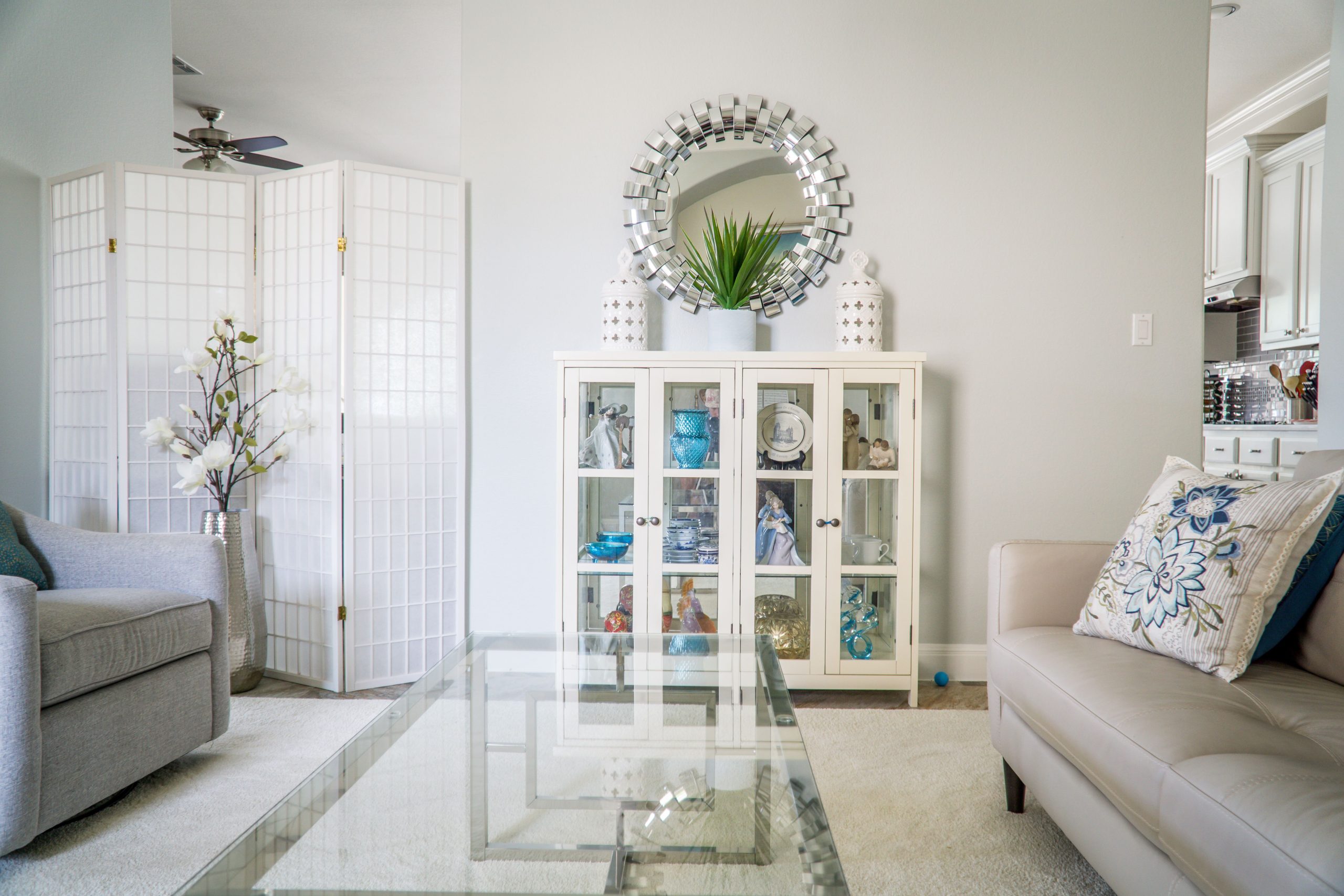
Choose two or three main colors to guide your arrangement. Neutral shades such as cream, white, beige, and wood tones can create a calm appearance, while a few brighter accents add personality.

You do not need every object to match exactly. Instead, look for colors that work well together and repeat them in different parts of the display. This creates a sense of connection without making the arrangement look overly coordinated.

2. Vary the Height and Shape of Objects

A shelf filled with objects of the same height can look flat and repetitive. Combining tall, medium, and low items creates more visual interest and helps guide the eye across the arrangement.

For example, place a taller vase beside a short stack of books, then add a small decorative object nearby. A low tray can balance a taller item on the opposite side of the shelf.

Pay attention to the shape of each object as well. Combining rounded vases, rectangular books, and simple sculptural accents can make the display more interesting without requiring many decorations.

3. Mix Books With Decorative Accessories

Books provide structure and can introduce useful color and texture to a shelf. Arrange some upright with suitable bookends and stack others horizontally when it makes sense for their size and condition.

You can place a small decorative object beside a horizontal stack to create a simple grouping. A vase, framed photograph, or small artificial plant can add variety without overwhelming the books.

Avoid placing a decoration on every book stack or filling every gap. Select a few combinations that look balanced and leave the remaining areas open.

4. Add Greenery for a Softer Appearance

Artificial plants can introduce a natural-looking element to shelves without requiring watering or sunlight. They can work particularly well in rooms where live plants may not thrive or where a low-maintenance decorating option is preferred.

Choose a plant that fits the shelf’s dimensions. A compact arrangement may suit a narrow shelf, while a slightly fuller plant can soften a display of books and hard surfaces.

Make sure the plant does not obstruct objects you need to access. Dust artificial leaves regularly according to the manufacturer’s care instructions to help them maintain their appearance.

5. Leave Some Space Empty

One of the easiest ways to improve a crowded shelf is to remove a few items. Empty space allows individual decorations to stand out and gives the entire arrangement a more relaxed appearance.

If every shelf is filled from one end to the other, take a step back and identify objects that could be moved elsewhere. Keep the pieces that have a clear purpose, meaningful value, or strong visual appeal.

Open space is not wasted space. It helps create a better balance between the objects you display and the room around them.

6. Consider Proportion and Shelf Size

The size of your decorations should suit the shelf itself. Oversized objects may dominate a narrow shelf, while tiny accessories can become difficult to notice on a large unit.

Measure the available height and depth before choosing new decorations. Check that taller objects fit comfortably and that items near the edge will not be knocked off easily.

If you have several shelves, vary the arrangements rather than repeating the exact same combination on each one. A consistent color palette can connect the display while allowing each shelf to have its own character.

7. Refresh Your Display Without Replacing Everything

Shelf styling does not have to remain permanent. Moving a vase, changing the position of a book stack, or swapping a few decorative accents can give the room a fresh appearance.

You can also make small seasonal changes using items you already own. Replace a colorful accent with a neutral one, introduce a different arrangement, or move accessories between rooms.

Before purchasing more decorations, experiment with rearranging your current collection. You may find that a more balanced display requires fewer objects rather than additional ones.

Create Shelves That Feel Balanced and Personal

Well-styled shelves combine useful storage with carefully chosen decorations. A simple color palette, varied heights, books, greenery, and open space can help create a display that feels organized and visually appealing.

Start with the objects you already have, then adjust the arrangement until each piece has room to stand out. The best shelf display is one that suits your space, reflects your interests, and remains easy to maintain.

Explore Next Home Supply for bookends, decorative vases, artificial greenery, and home accents to help you style your shelves with confidence.

Simple Maintenance Habits for Protecting Your Favorite Home Decor

Decorative accessories can help make a house feel personal, but dust, fingerprints, moisture, and everyday handling can gradually affect their appearance. Regular care helps keep these items looking presentable and can reduce the risk of avoidable damage. Different materials require different cleaning methods. Glass, wood, metal, ceramic, fabric, and electronic decorative items may respond differently to water, cleaning products, and friction. Using the wrong method can leave marks or damage a...

A Practical Guide to Creating a Balanced and Coordinated Interior

A room can feel flat when every decorative object has the same finish, shape, and texture. Mixing different materials introduces contrast and creates a more layered interior, allowing individual pieces to stand out while contributing to an overall design. Wood, glass, metal, ceramic, fabric, and woven materials each bring different visual qualities to a room. Some add warmth, while others create a lighter, smoother, or more reflective appearance. The goal is not to include every available...

Easy Decorating Ideas for Making Temporary Spaces Feel Personal

Living in a rental home does not mean you have to settle for a space that feels plain or impersonal. Even when painting, drilling, or making permanent alterations is not allowed, you can still create an interior that reflects your personality and preferences. The most effective approach is to focus on movable decorations, flexible arrangements, and small details that can be taken with you when you move. These changes can help a temporary space feel more comfortable without requiring extensive...

Simple Decorating Ideas for a More Inviting First Impression

The entryway is the first part of your home that you and your guests experience. Even when it is small, this space can help establish the style of your interior and make everyday arrivals and departures feel more organized. Creating a welcoming entryway does not require a complete renovation or a large collection of decorations. A few carefully chosen pieces, a practical place for everyday belongings, and a consistent color scheme can make the area feel intentional and connected to the rest of...

How to Choose Decorative Pieces That Make Thoughtful Housewarming Gifts

Moving into a new home is an exciting milestone, but it can take time for a space to feel complete. Thoughtful home gifts can help someone personalize their surroundings while giving them something useful or enjoyable to keep. The best housewarming gift does not need to be expensive or highly elaborate. Consider the recipient's taste, available space, and everyday habits when choosing an item they are likely to appreciate. Decorative accessories can be particularly useful because they add...

How to Keep Your Jewelry and Small Accessories Organized

Small accessories can be difficult to organize because they are easy to misplace and often come in different shapes and sizes. Necklaces may become tangled, earrings can get separated, and rings can disappear into drawers filled with other belongings. A practical organization system helps you keep your collection visible, protect delicate pieces, and find what you need when getting ready. You do not need a large dressing area or an elaborate storage setup. A suitable display stand, divided...

How to Decorate for the Seasons Without Replacing Everything

Seasonal decorating can make your home feel fresh, but changing every decoration throughout the year can become expensive and take up valuable storage space. A more practical approach is to keep a consistent foundation and update a few smaller details as the seasons and holidays change. The most versatile homes use everyday decor that works throughout the year. Simple vases, decorative trays, lamps, and other accessories can remain in place while a few seasonal colors or objects create a...

How to Create a Cozy Home With Simple Decorative Accents

A cozy home is not necessarily filled with expensive furniture or elaborate decorations. Often, smaller details make a room feel welcoming: a warm lamp, a favorite vase, a thoughtfully arranged tray, or objects that reflect your personality. Decorative accents can help connect the colors and materials already present in your home. When chosen carefully, they add character without making a room feel crowded or requiring a complete redesign. The key is to focus on comfort, balance, and personal...

Simple Bathroom Organization Ideas for a Cleaner-Looking Space

Bathrooms often need to store towels, toiletries, grooming accessories, and cleaning supplies in a relatively small space. Without designated places for these items, counters and shelves can quickly become crowded, making everyday routines less convenient. A cleaner-looking bathroom does not necessarily require a renovation or additional cabinets. Sorting what you own, using existing storage effectively, and keeping frequently used products accessible can help create a more organized space....

How to Decorate Your Home With Artificial Plants

Plants can add color, texture, and a natural feel to a room. However, live plants may require specific lighting, watering schedules, and ongoing care that do not suit every household. Artificial plants offer another way to introduce greenery into your decor without the same maintenance routine. When chosen and arranged thoughtfully, artificial greenery can complement furniture, soften empty corners, and bring balance to shelves and tables. The key is to select pieces that suit the room's...

0 Comments

Join